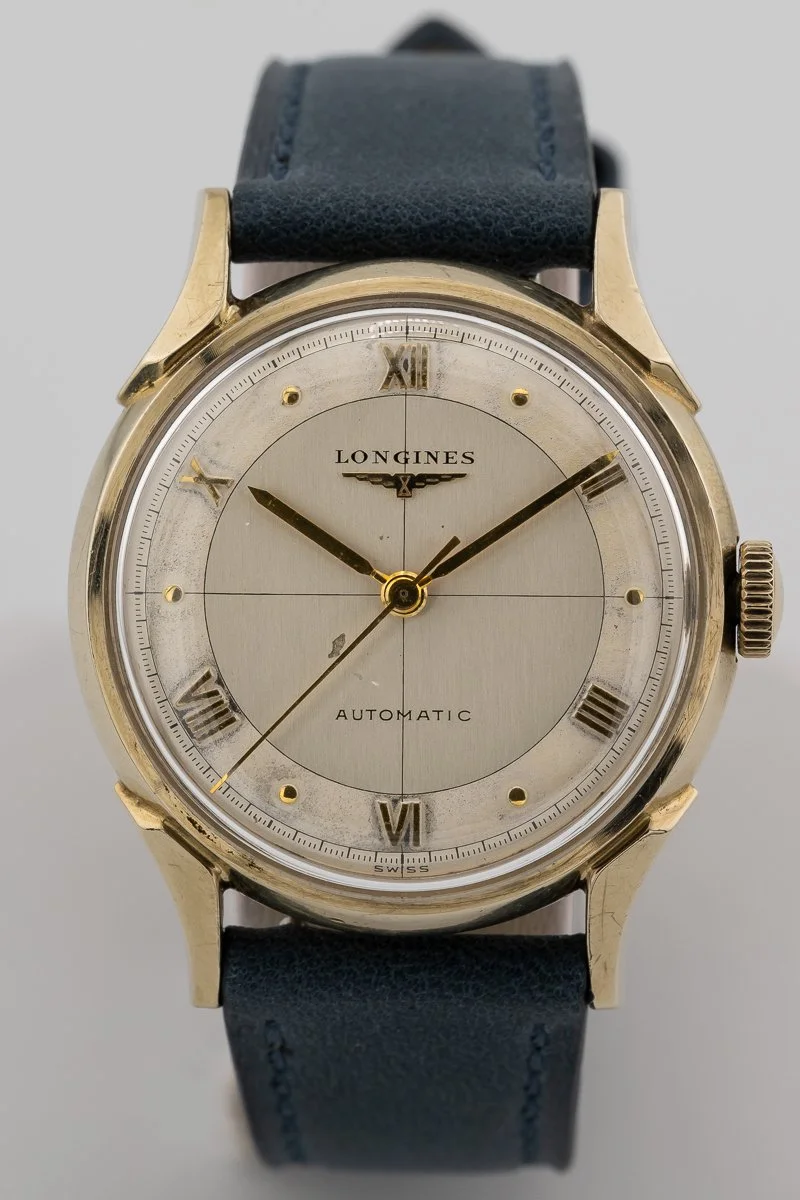
Collection Find: Longines 1952 19AS “Cam-Drive” Automatic
This US-market Longines sits right on an interesting fault line in automatic watch movement history. On the wrist it reads like a classic early-1950s dress watch—gold-fill, sharp lugs, and an interesting 2-tone dial with roman numeral indices. However, the real reason I’m attached to it is the movement. The Longines 19AS is one of those interesting, transitional full-rotor automatics that still feels distinctly like it was “engineered,” with a unique winding system that doesn’t simply follow the later, cookie-cutter ETA-style playbook. It’s from a period when Longines was at the top of its engineering game and actively iterating on how best to translate rotor motion into consistent winding—right as the industry was leaving bumpers behind and converging on modern layouts. The resulting design, while not as efficient as later systems, was clearly built to be a lifelong companion, not a disposable fashion piece.
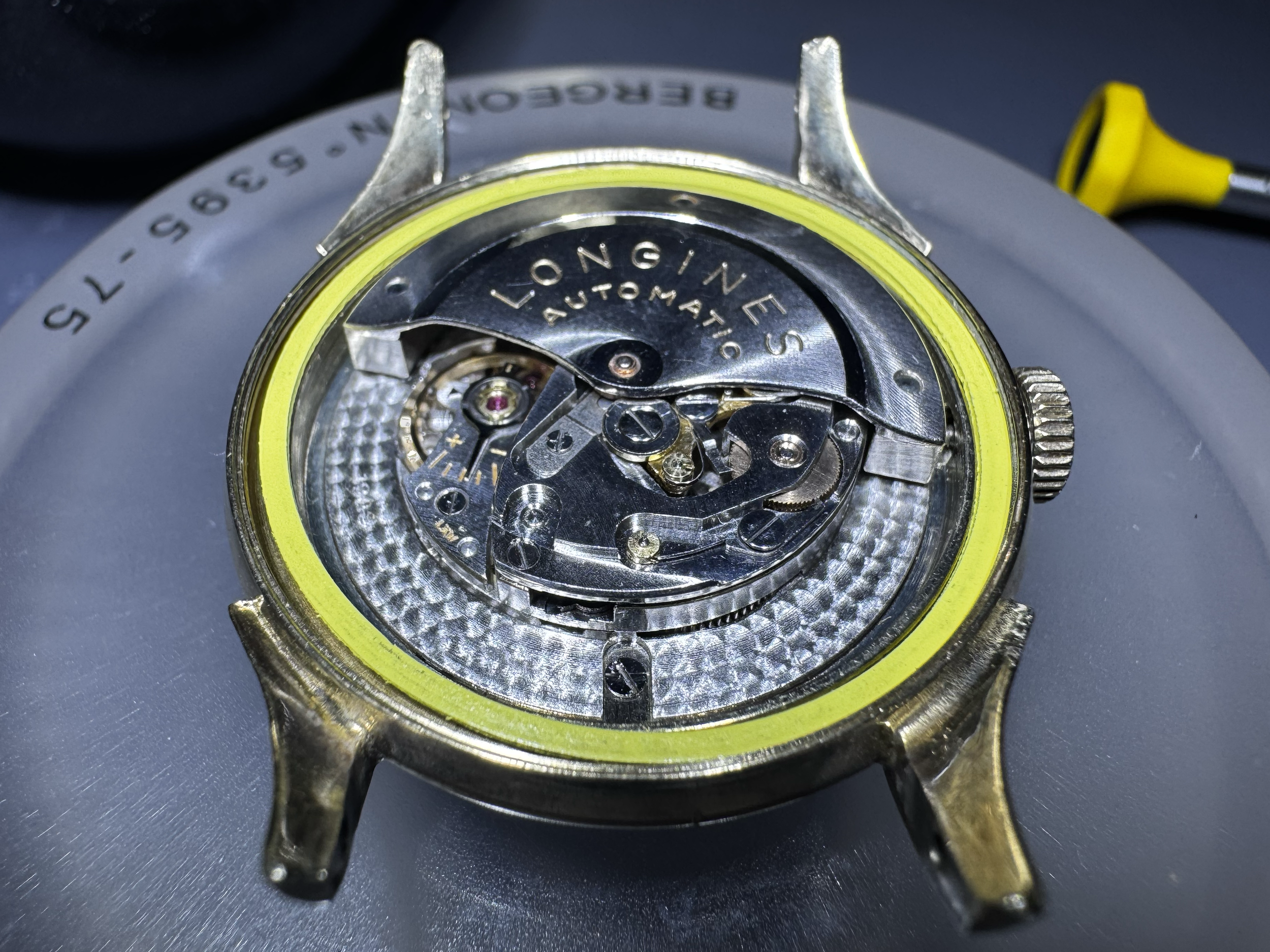
Movement Stories: Longines 19AS Automatic
As we continue our exporation of weird and wonderful automatic movements, let’s take a look at the 1950s-era Longines 19AS. The 19AS sits in a wonderfully in-between moment in automatic watchmaking—when the industry was leaving bumper automatics behind, but hadn’t yet settled on the now-familiar reversing wheel architecture that would dominate later full-rotor designs. In this article, we’ll walk through assembly of the 19AS automatic mechanism step by step, using the process not just as a repair guide but as a tour of the movement’s thinking: how Longines packaged a modern, 360° oscillating weight into a layout that still carries transitional DNA. Along the way we’ll highlight the design choices that make the 19AS such an interesting—and frankly underappreciated—milestone: a practical, serviceable full-rotor automatic that hints at the future while still wearing the fingerprints of the bumper age.
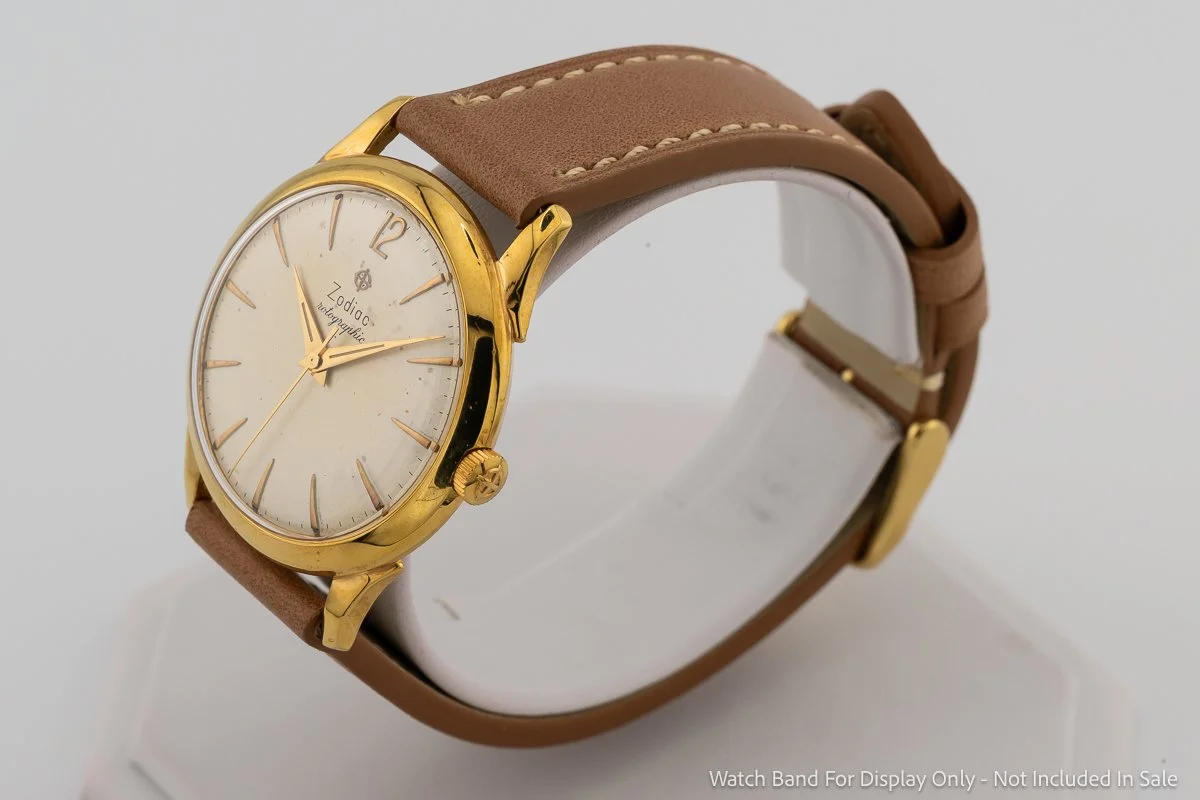
New Arrivals: c. 1960 Zodiac Rotographic Automatic
This is a beautifully restored vintage Zodiac Rotographic automatic, freshly serviced and regulated and running well, with a warm gold presence and classic mid-century proportions. The Rotographic line captures Zodiac at its most elegant: slim, clean, and intentionally understated, with just enough dial detail to feel special without tipping into busy. With the heavy lifting already done mechanically, this is the kind of vintage automatic you can actually wear and enjoy.
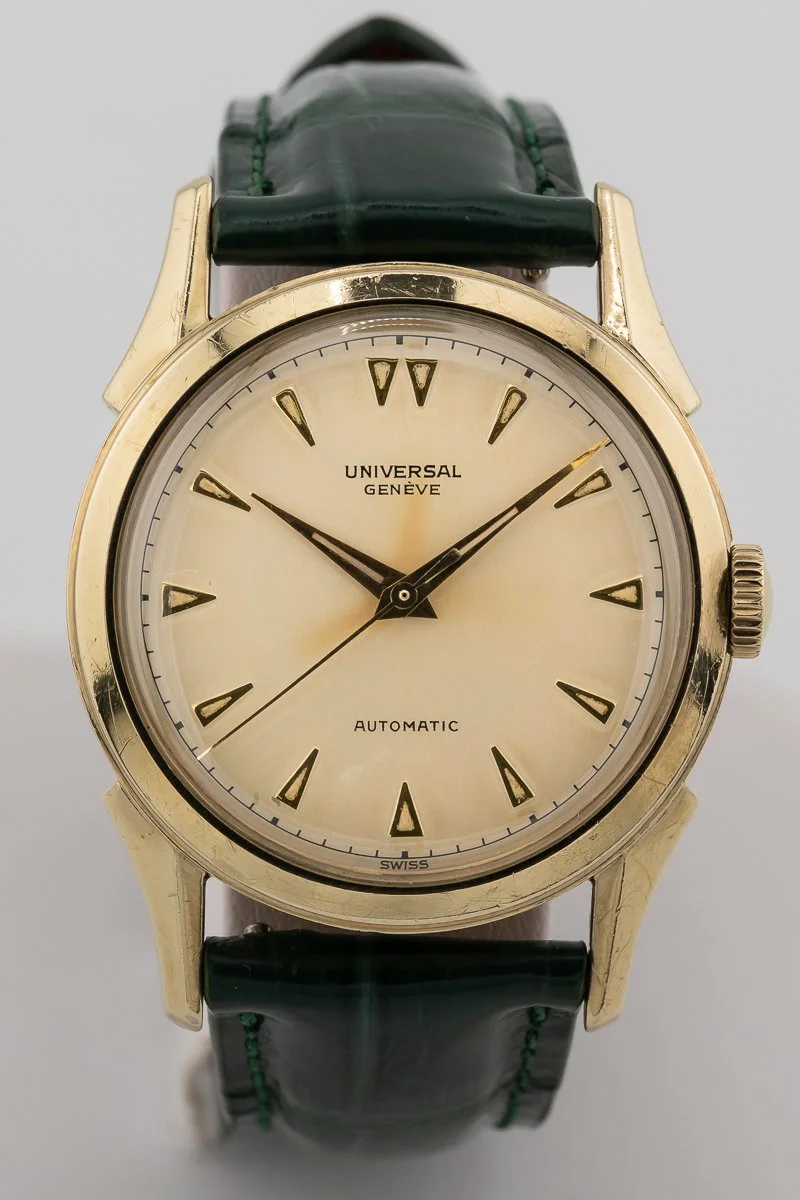
Collecton Find: Universal Genève c. 1956 138SS Bumper Automatic
I added this Universal Genève to my collection because it checks the boxes I’m always hunting for: a great looking vintage watch that’s genuinely elegant and mechanically significant. The dial is what hooks me—clean, balanced, and just a little sharper than the average 1950s dress watch thanks to those applied arrowhead markers with integrated lume, as opposed to the more typical “lume dots as an afterthought” setup.
The movement is the real reason it stays in my collection. Universal’s cal. 138SS is one of the brand’s important early automatics—a classic bumper design introduced around 1948, right at the moment when automatic winding was still evolving fast. This is a watch from the “in-between” years—when automatics still had personality you can feel every time the bumper twitches on the wrist.
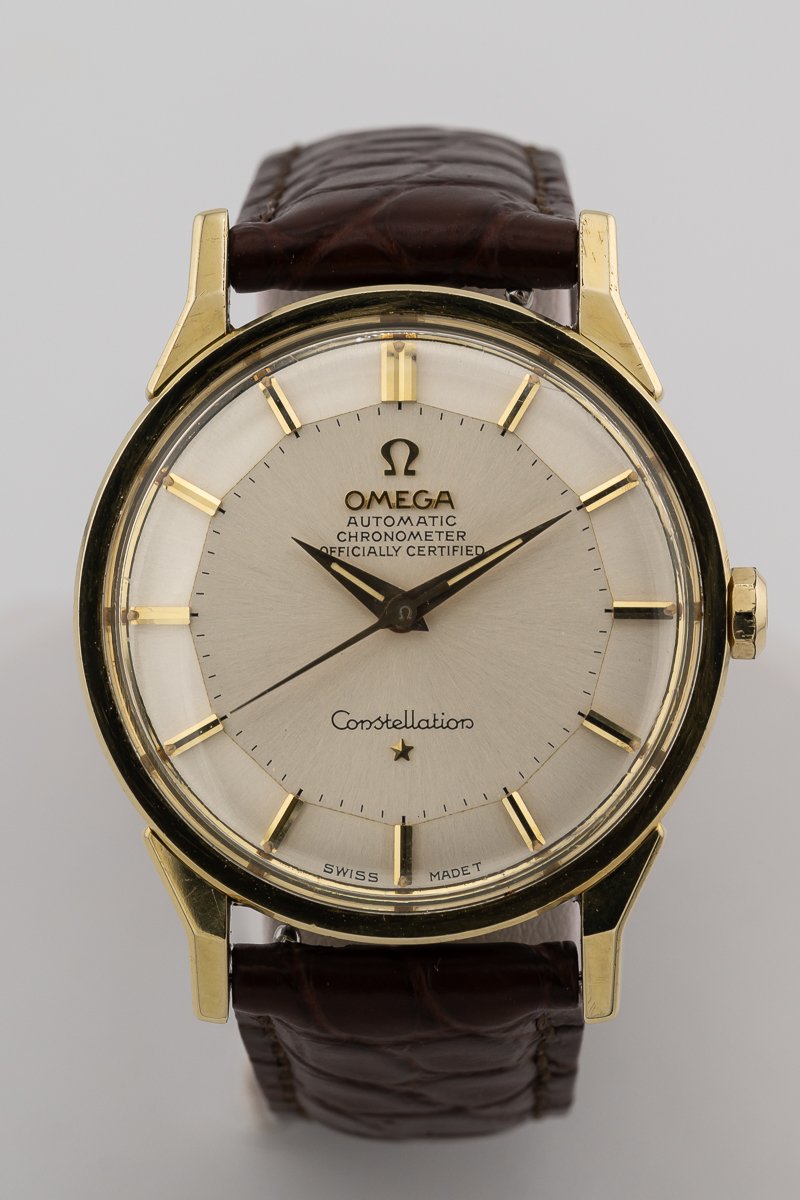
Collection Find: Omega 1963 167.005 Constellation Chronometer Automatic
I had been looking to add a Constellation to my collection for some time before I finally scored this example in an auction. The pie pan dial is gorgeous, and the proportions are exactly what I love in a mid-century Omega: a clean 34mm case that wears bigger thanks to those crisp, faceted “dog-leg” lugs, and a dial that’s quietly dramatic once you notice what you’re looking at. The pie-pan facets catch the light in a way photos never fully capture, and the little applied star above six feels like Omega couldn’t resist a victory lap.
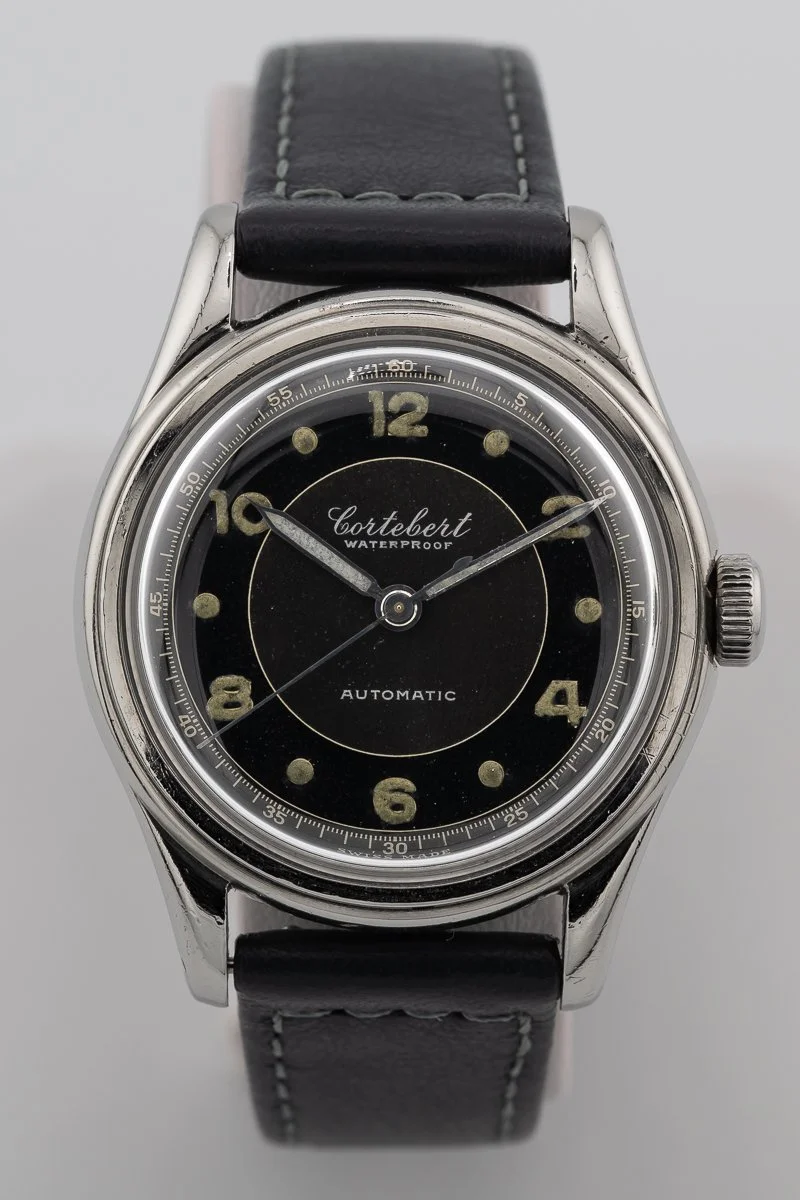
Collection Find: Cortébert Early 1940s Black Dial Bumper Automatic
I had been looking for the right vintage Cortébert to add to my collection for a while, and I was thrilled to find this early bumper automatic example. The black and charcoal dial with, crisp minute track, and restored stainless steel hands give it real presence, and the whole thing pops even more against the bright, polished stainless case. It’s one of those watches that looks like it was built to be read instantly, in bad light, in the real world—not just to be admired in a box.
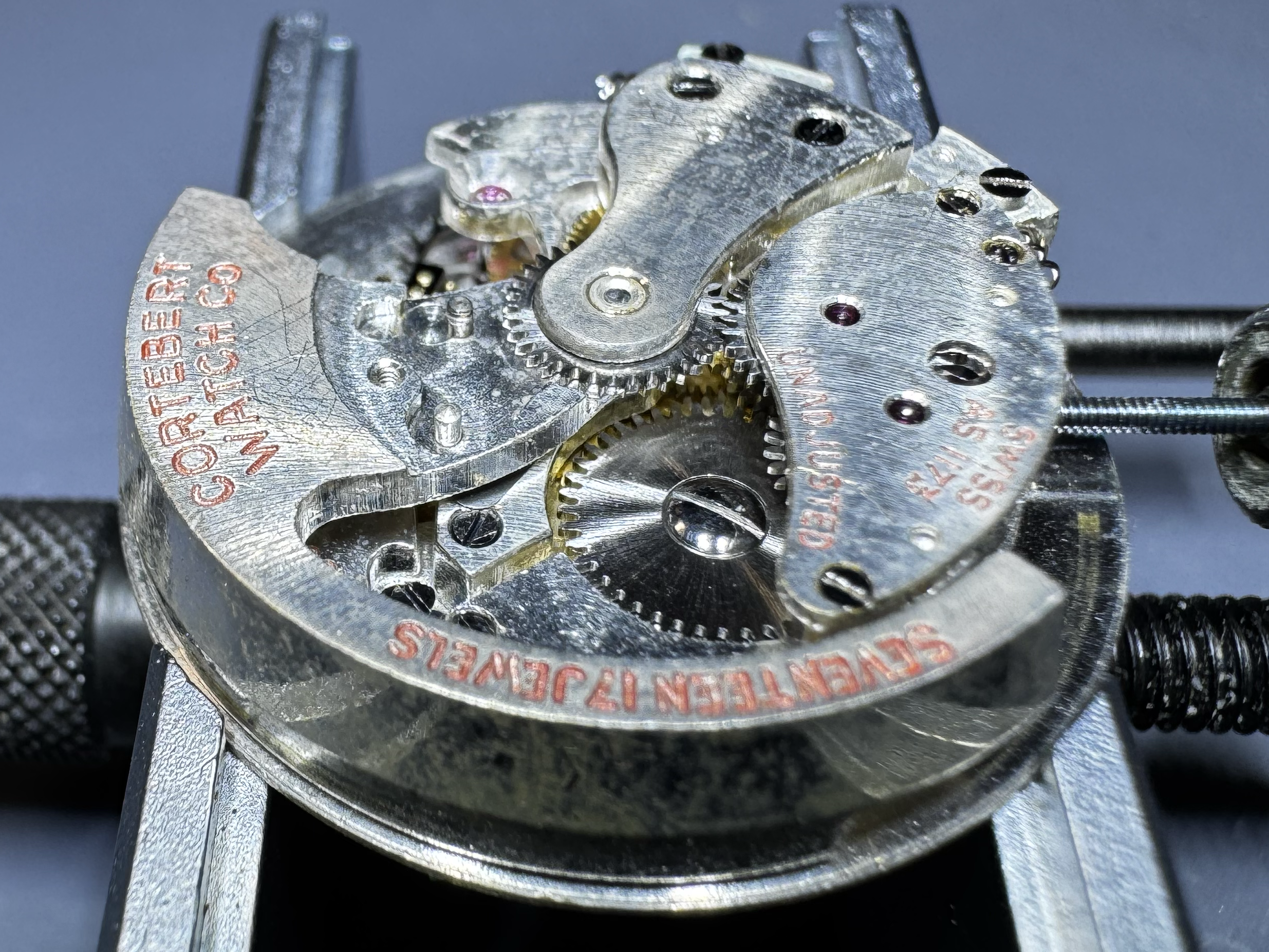
Movement Stories: A. Schild 1173 Bumper Automatic
Continuing my series on weird and wonderful automatics, this article explores the A. Schild 1173 — a very early, mass-produced automatic first introduced in the mid-1930s. Its bumper-style architecture traces a direct lineage back to the original John Harwood automatic concept. We take a close look as this design as it comes back together on my restoration bench following a cleaning.
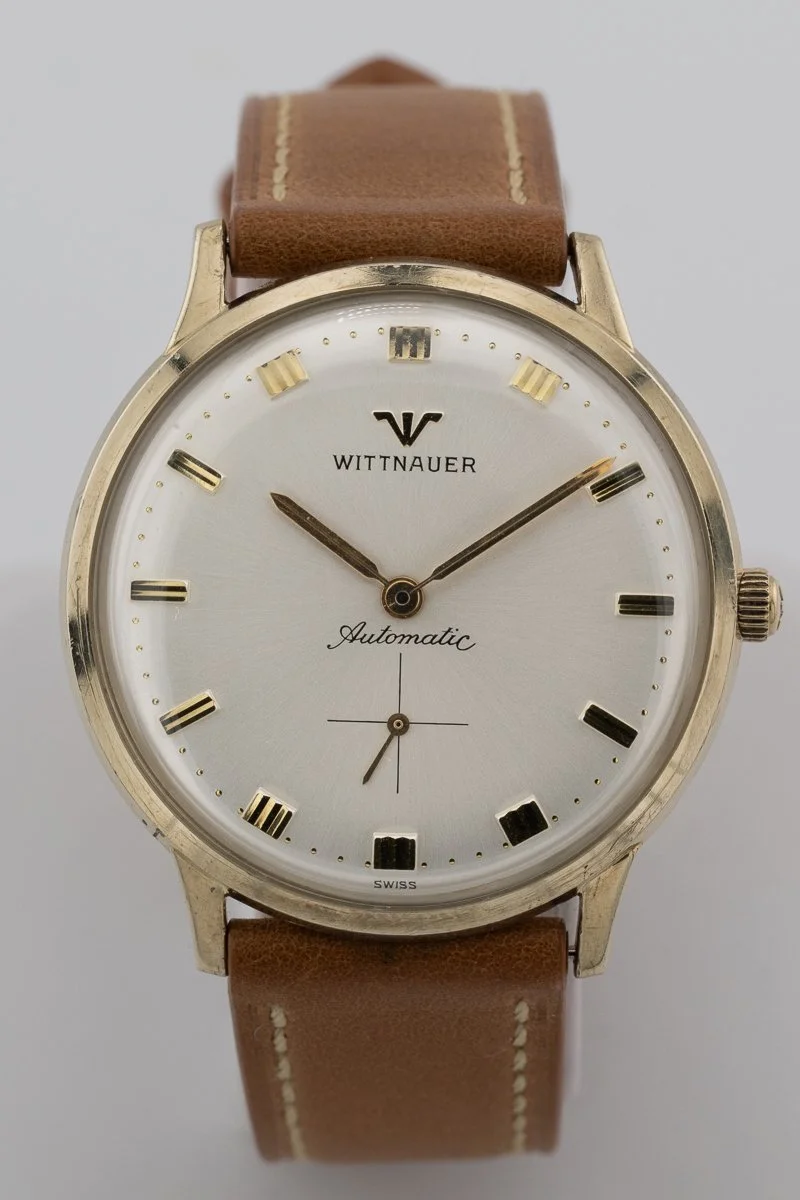
Collection Find: Wittnauer Early 1960s 2555 Sub-Second Automatic
I originally planned to list this Wittnauer for sale, but it completely won me over once I had it in hand, so I’m keeping it (sorry, everyone). It’s the kind of watch that looks almost too simple—until you realize how hard it is to get “simple” this right. The big, clean dial and thin bezel give it a surprisingly modern presence for a vintage dress watch, and the applied markers add just enough texture to keep the whole thing from feeling sterile.
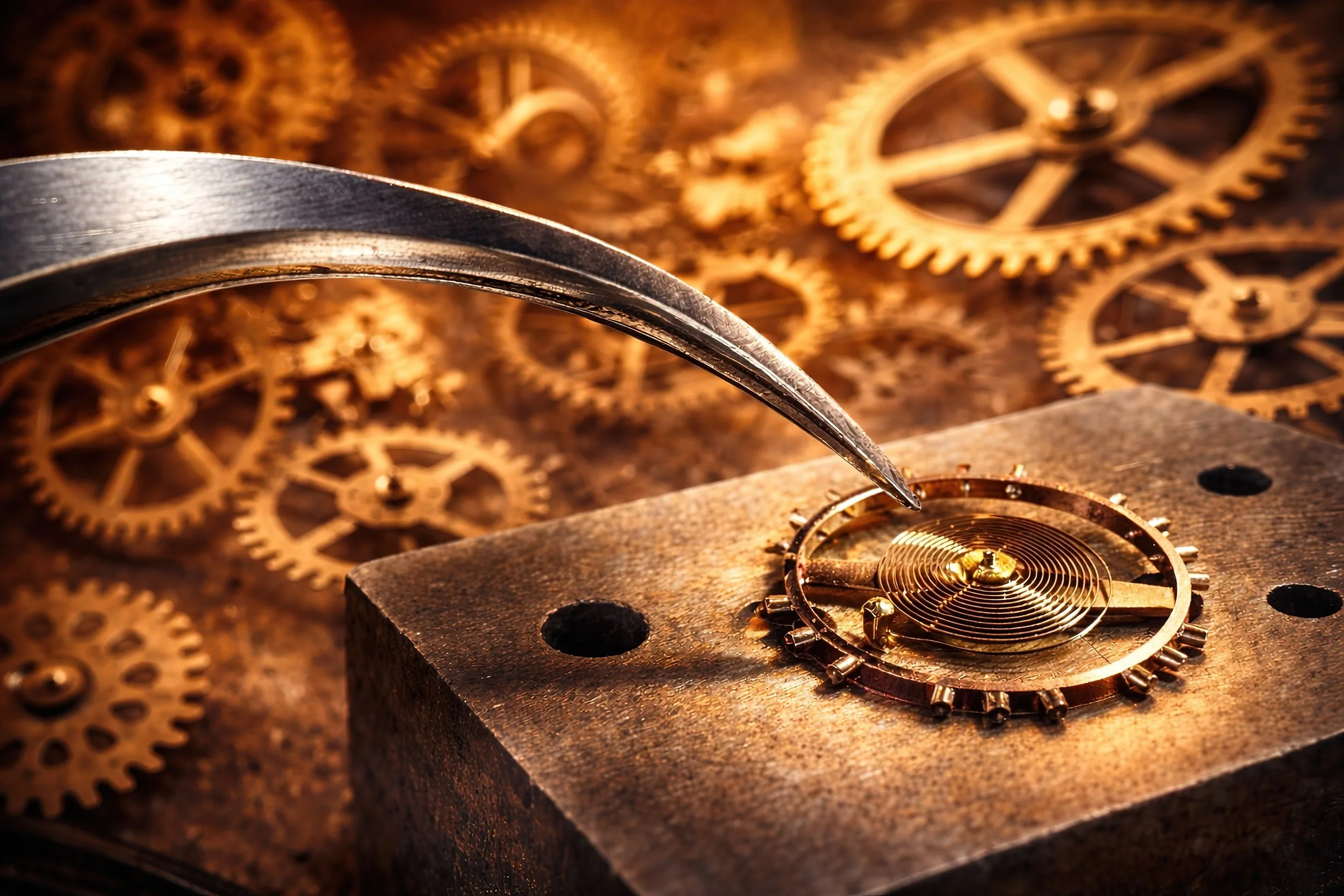
Hairspring Correction Guide Published
I have just published a detailed guide to hairspring correction in the Learn section. I’m proud of this one, as I really haven’t seen any other content on the web that goes into as much detail about how to approach hairspring correction problems in a systematic way. I really hope this helps demistify the process for fellow travelers on my watchmaking journey.
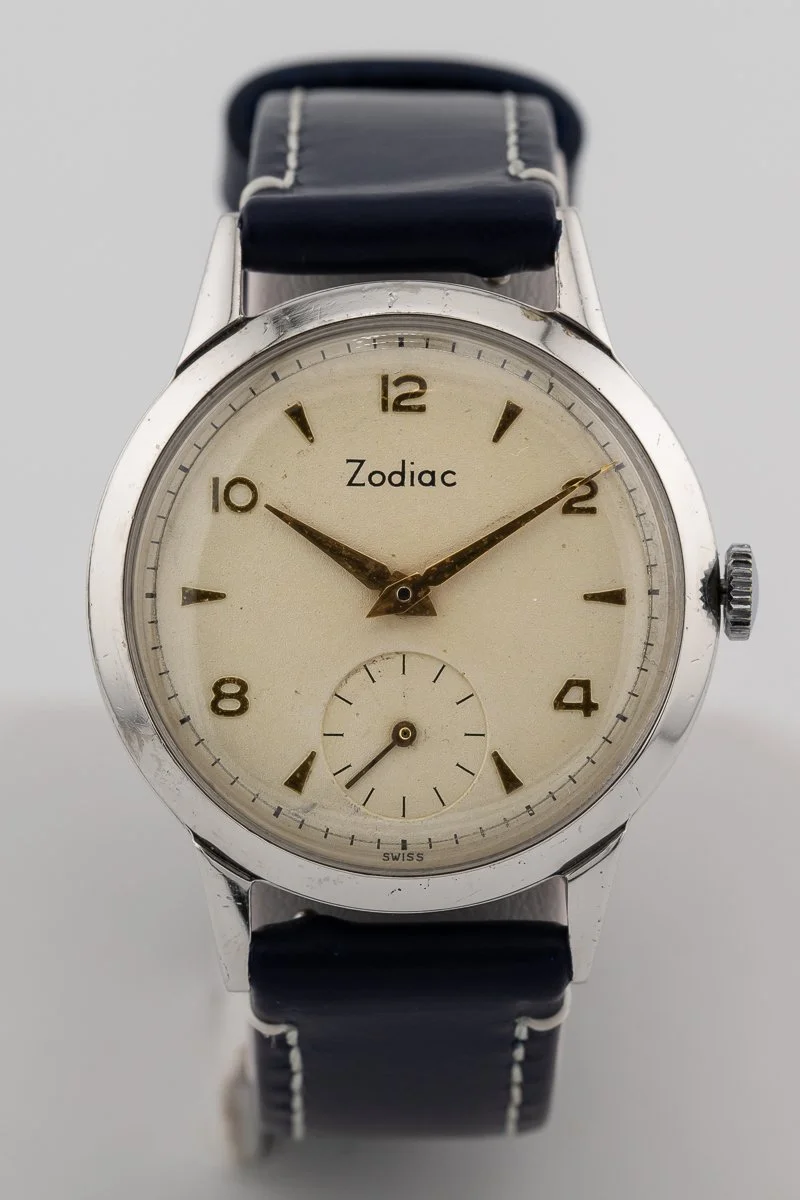
Collection Find: Zodiac Early 1950s 916 Sub Second Manual
I added this Zodiac to my collection because this simple, sub-second dress model is a great example of what Zodiac used to be before it was consumed by sport and dive watches in the 1960s. I also love the contrast between the gold hands and markers and the bright silver (rhodium) case - a combination that goes particularly well with the navy blue strap.
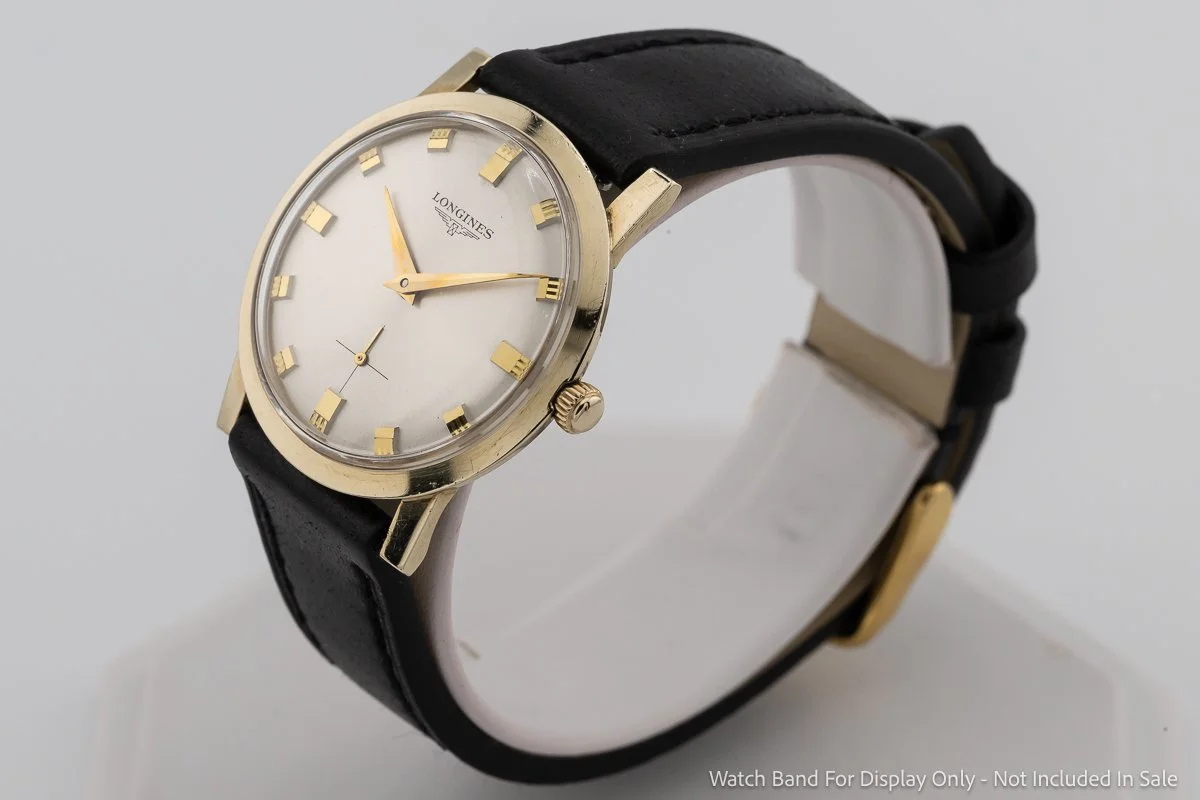
New Arrivals: c. 1978 Longines 2926 Cal. 370 Manual
This is a remarkably preserved vintage Longines dress watch powered by the Longines Caliber 370, freshly serviced and regulated and running beautifully. The overall impression is “near mint” in the best way: crisp dial furniture, clean case lines, and a movement that looks almost showroom-fresh for its age. If you like your vintage pieces to feel original rather than over-restored, this one lands right in the sweet spot.
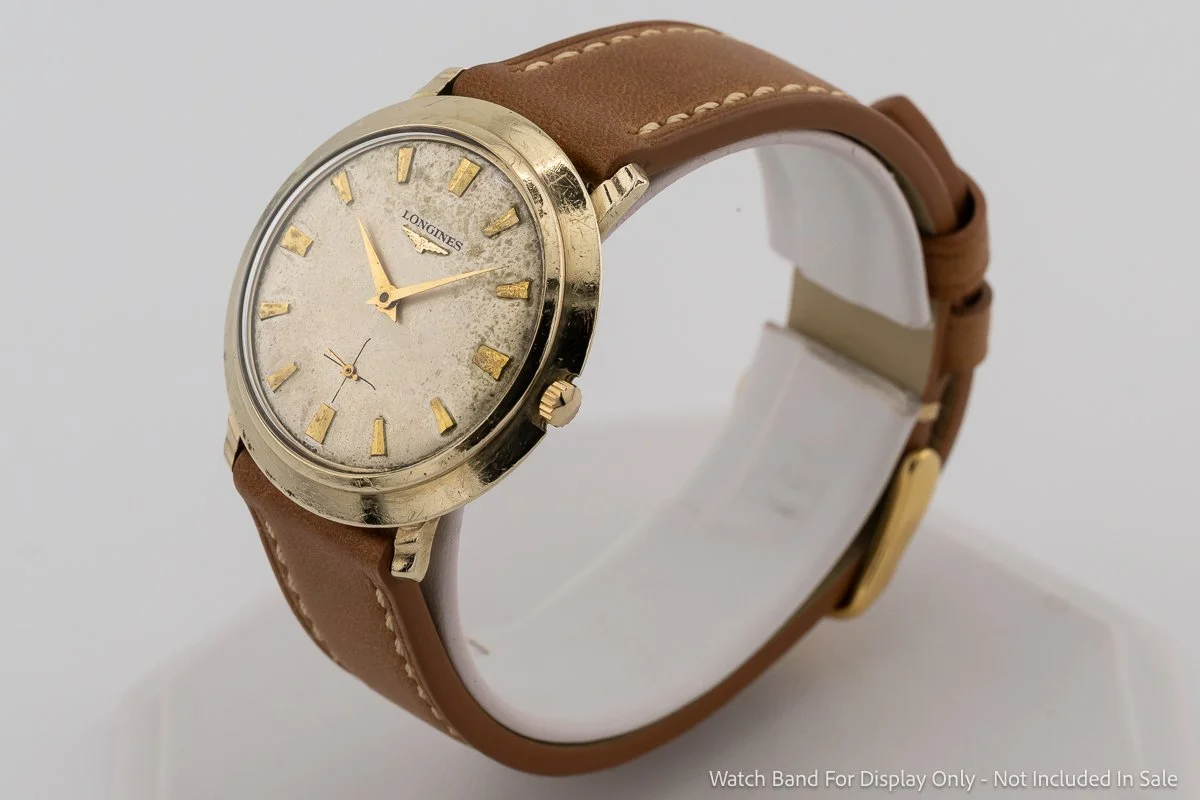
New Arrivals: 1956 Longines 2041 Cal. 23Z Manual
This is a wonderfully honest mid-1950s Longines dress watch powered by the legendary Longines Caliber 23Z, freshly serviced and regulated and running with excellent performance. It is a watch for the true patina lover: the dial has aged into a heavy, mottled vintage texture that reads like parchment, giving the piece a one-of-one character that you simply cannot replicate.
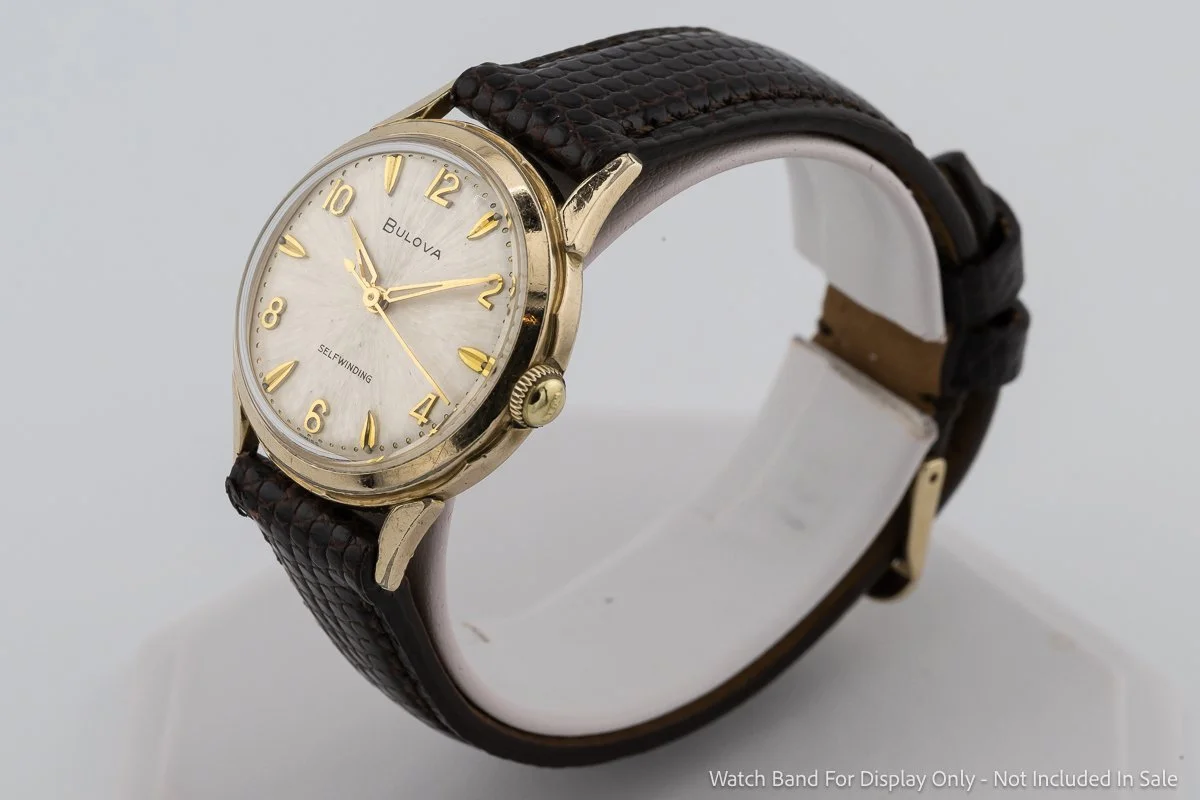
New Arrivals: 1961 Bulova Sunburst Dial Automatic
This is a beautifully preserved 1961 Bulova Selfwinding dress watch powered by Bulova's Caliber 11AFAC automatic movement, freshly serviced and regulated for reliable everyday wear. The star of the show is the dial: a clean silver sunburst finish in excellent condition that catches the light beautifully, paired with warm gilt markers and classic mid-century typography. At 31mm, this is a particularly good fit for smaller wrists or anyone who prefers a more traditional vintage profile.
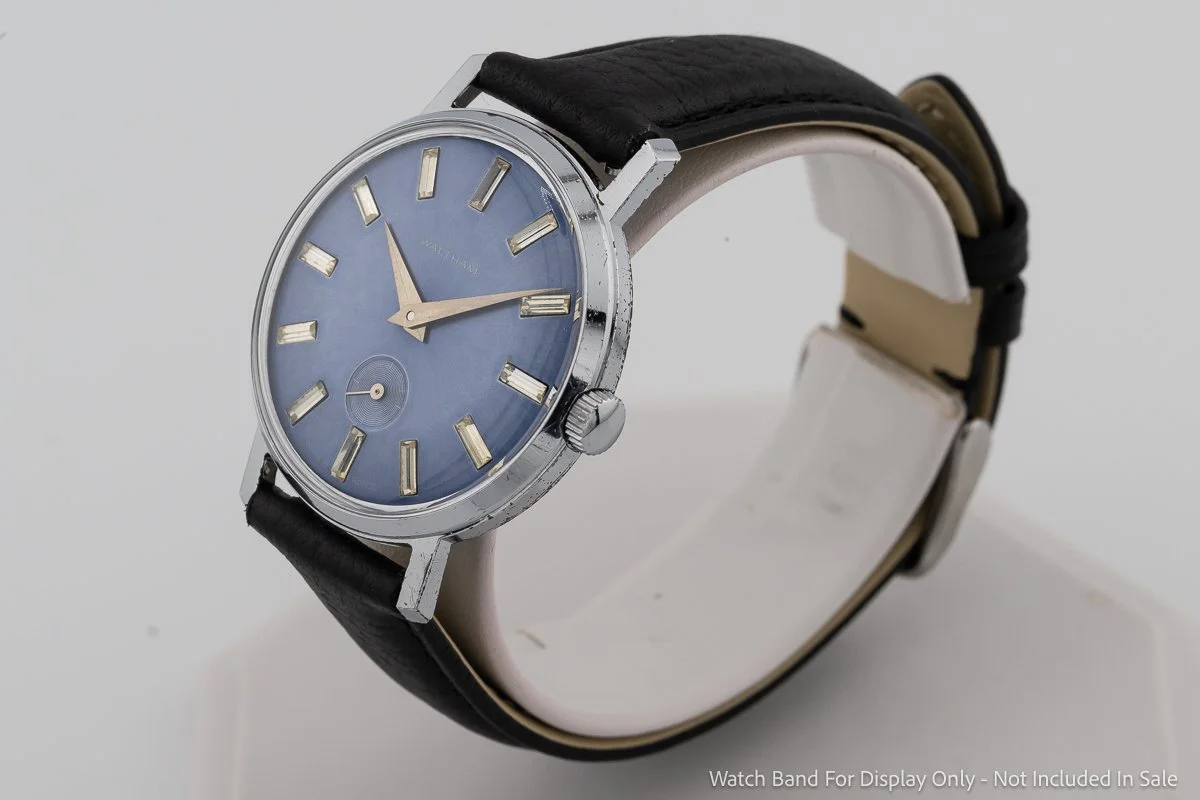
New Arrivals: Late 1960s Waltham Blue Dial Manual
This is a striking 1960s-era Waltham dress watch with a genuinely rare feature for the period: a deep blue dial that has survived in excellent condition. Blue dials were far less common than silver or champagne in mid-century everyday watches, and this one delivers a rich, even tone with a subtle sunburst effect that makes the applied baguette-style markers and small-seconds register pop. The watch has been fully serviced and regulated and is running well, making it a very wearable vintage piece despite honest case wear.
Regulation and Amplitude Troubleshooting Guides Published
Continuing my streak of finally publishing long-promised watchmaking guides, I have just published two new guides. The first, my Regulation Guide, goes into great detail on regulating a watch, including a number of troubleshooting tips if things don’t go as easily as you might have hoped. Of course, before you regulate a watch you first have to address any issues with low amplitude, and I have published a separate, practical Amplitude Troubleshooting Guide that delves into that topic. Neither of these guides are truly exhaustive, but if they help a lightbulb go off for you when you’re struggling with a challenging watch, I’ll like they’ve accomplished their purpose.
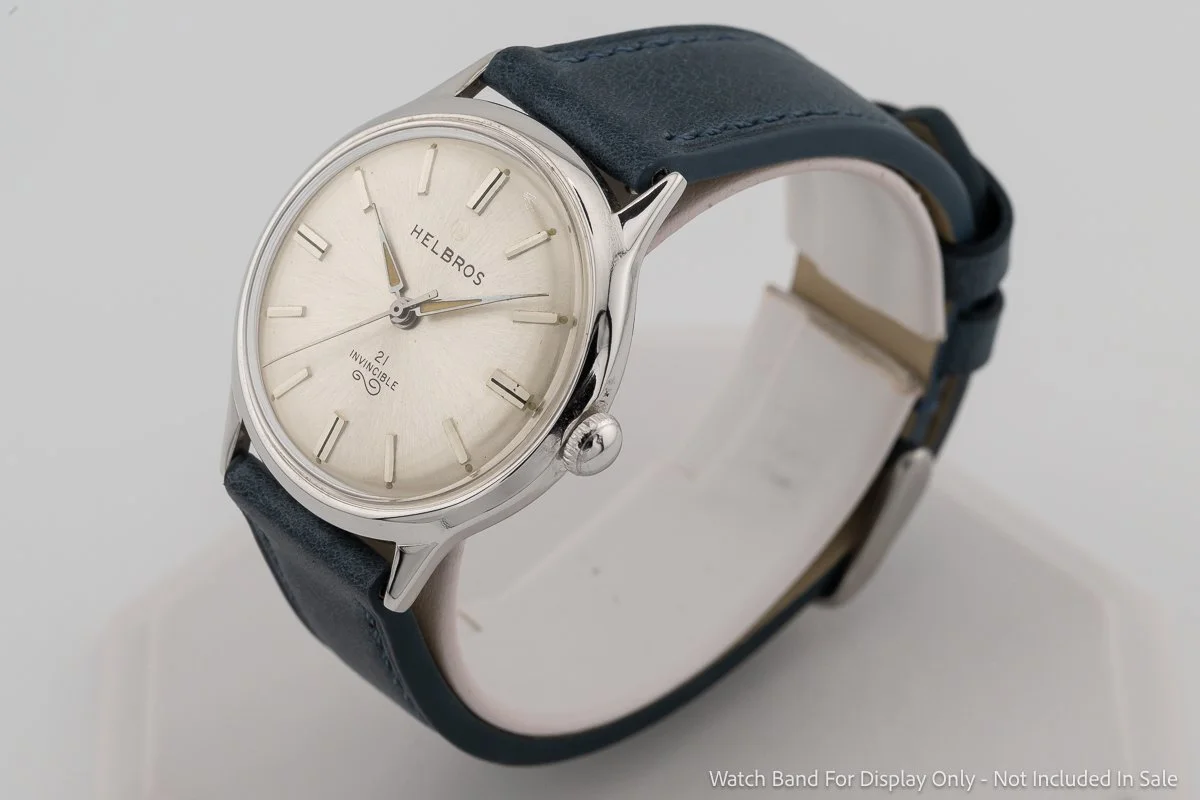
New Arrivals: 1960s Helbros Invincible Manual
This is a clean, mid-century Helbros Invincible dress watch built around a high-grade 21-jewel manual-wind movement and restored for confident everyday wear. With its bright silver sunburst dial, sharp applied markers, and freshly replated casework, it delivers the classic 1960s look in a very wearable 34mm size.
Advanced Tools Guide Published
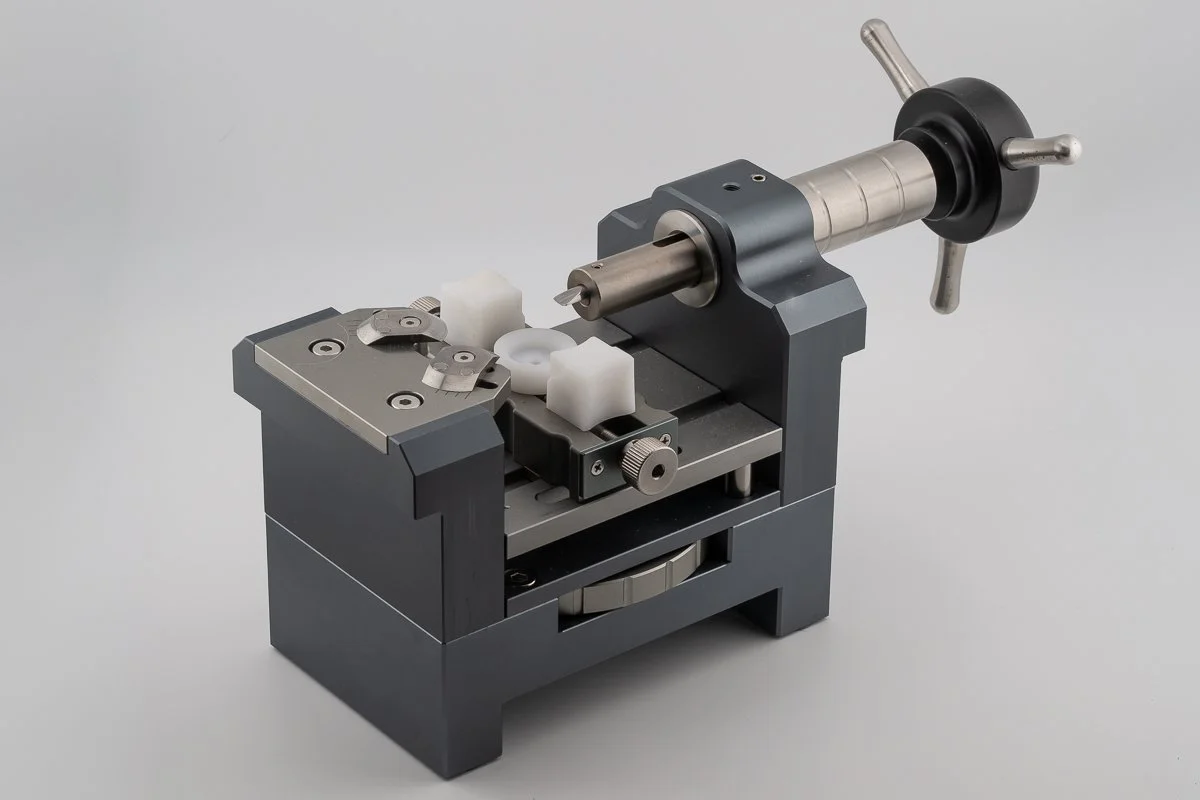
It’s been quite a long time coming, but I’ve finally published my Advanced Tools Guide. This will be helpful for anyone relatively new to watchmaking who is really ready to double down on the hobby and improve their ability to address challenging situations.
New Watch Collection and Shop Archive Pages
Just a few quick site updates for my Collection and Shop pages.
New Arrivals: 1947 Gruen Veri-Thin Gold Sweep Second Tank
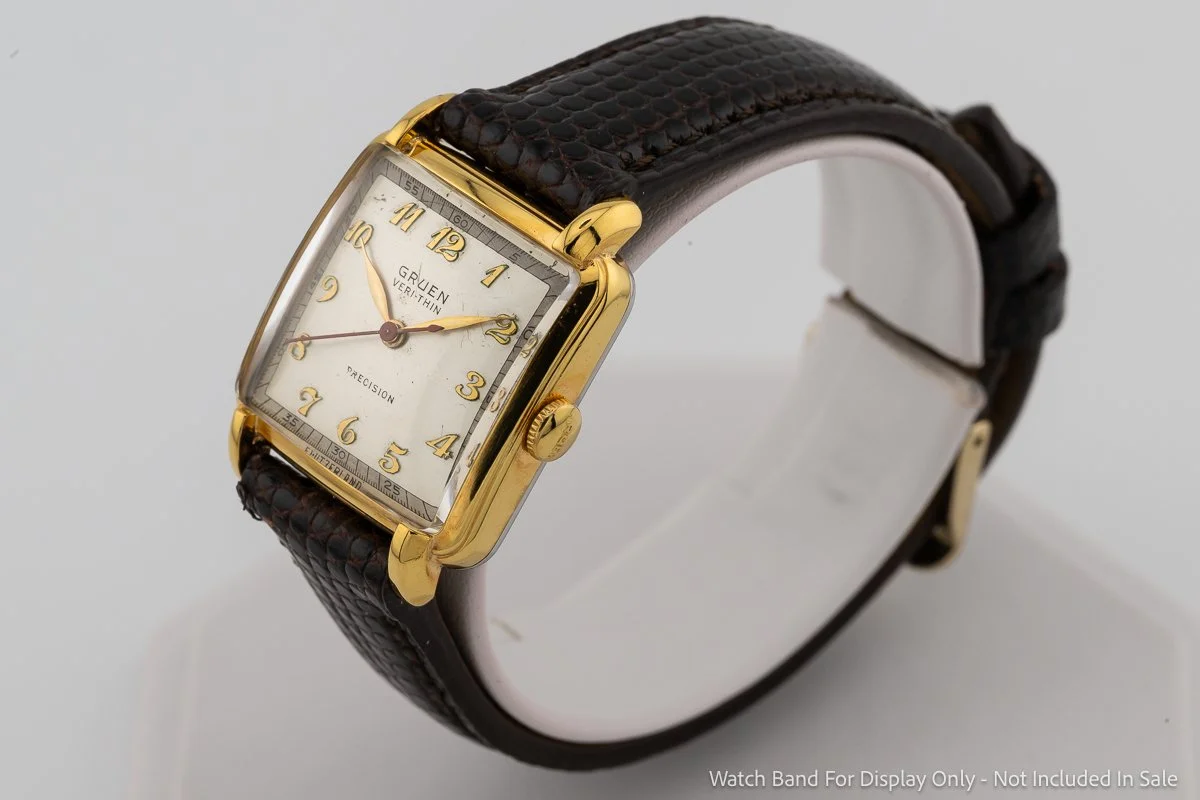
This is a beautifully preserved late-1940s Gruen Veri-Thin tank wristwatch, freshly serviced and regulated, and representing one of Gruen’s most important postwar dress-watch designs. Compact, elegant, and mechanically refined, it captures the restrained sophistication that defined American watchmaking in the years immediately following World War II.
New Arrivals: Circa 1950 Helbros Venus 170 Chronograph
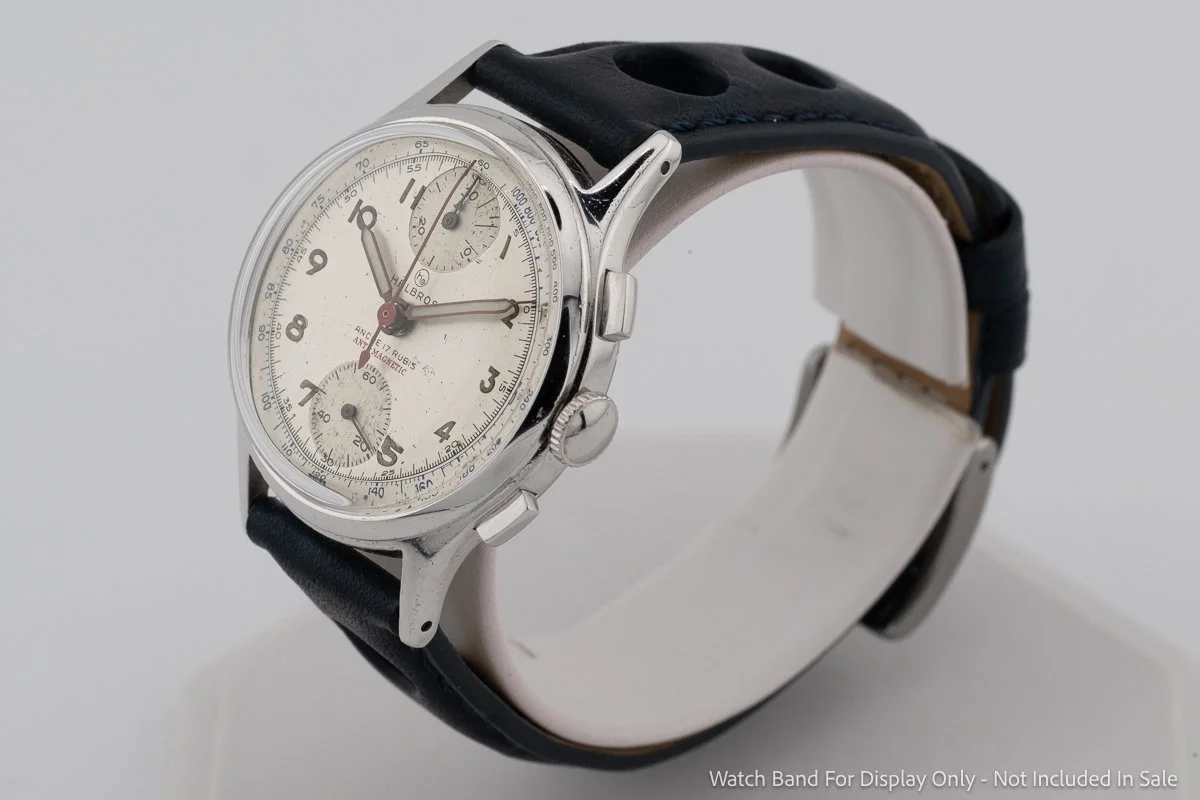
This Helbros chronograph is a fantastic slice of mid-century timing hardware, built around the legendary Venus 170 column-wheel movement. Here, it is the star of the show. Fully serviced, regulated and running strongly, it is in exceptional condition for vintage chronograph movement from this era and helps make this piece a great value.